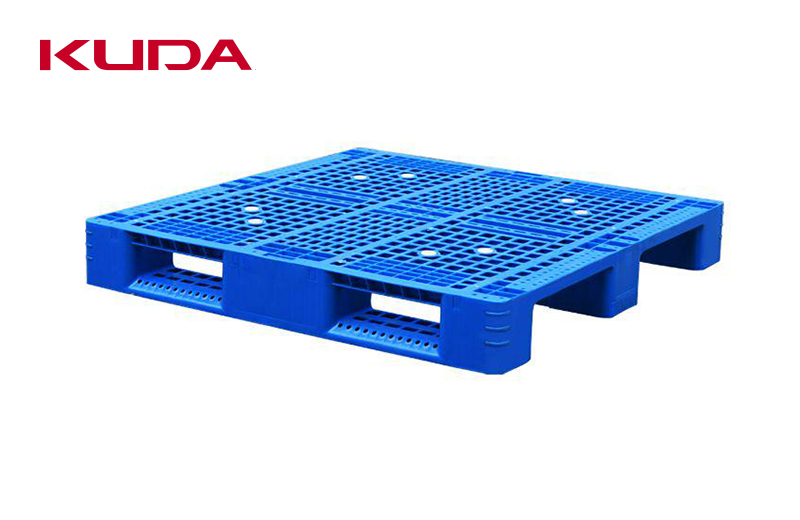
Plastic pallets, with their lightweight, corrosion-resistant, and long-lasting characteristics, are gradually replacing traditional wooden pallets and becoming the core carrier of modern logistics. Compared to the defects of wooden pallets, such as susceptibility to moisture and damage, plastic pallets are made of polymer materials (such as polyethylene and polypropylene), which have advantages such as waterproofing, mold resistance, and acid and alkali resistance. They are particularly suitable for industries with strict requirements for hygiene and safety, such as food, medicine, and chemical industries. Their standardized design (such as four-way forklift-accessible structure) seamlessly integrates with forklifts and automated equipment, significantly improving loading and unloading efficiency, reducing the rate of cargo damage, and promoting the transformation of logistics operations towards mechanization and automation.
The diversity of plastic pallets meets the needs of various industries, from food cold chain to chemical storage, and can achieve precise adaptation through material and structural optimization. For example, in cold chain logistics, HDPE pallets have excellent low-temperature resistance, ensuring stable transportation of goods in extreme environments; in the chemical industry, they rely on their resistance to strong acids and alkalis to ensure the safe storage of chemicals. In addition, customized designs (such as non-slip surfaces and stackable structures) further optimize space utilization and reduce transportation costs, becoming a key tool for improving efficiency in foreign trade and cross-border logistics.
Despite its significant advantages, the plastic pallet market still faces challenges such as low-price traps and inadequate standardization. Some manufacturers, in order to reduce costs, use recycled materials to produce inferior pallets, which results in decreased durability and frequent replacement, ultimately increasing corporate costs. Meanwhile, inconsistent size specifications hinder supply chain collaboration and increase management complexity. Environmental pressure cannot be ignored either. The issue of plastic waste disposal has become prominent, necessitating a balance between efficiency and sustainability.
In the future, plastic pallets will evolve towards green and intelligent directions. The promotion of environmentally friendly materials (such as degradable plastics) and the leasing and sharing model will help reduce resource waste and lower enterprise input costs. The integration of Internet of Things technology (such as RFID tags) endows pallets with real-time tracking capabilities, enhancing supply chain transparency. With the improvement of standardization and the perfection of industry norms, plastic pallets will continue to lead the innovation of logistics efficiency and become the core driving force for supply chain optimization.


 2026-01-21