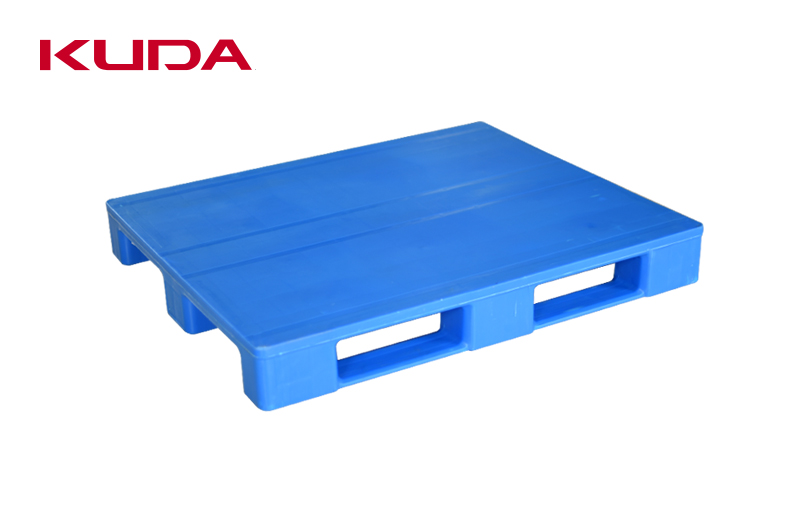
Application of plastic pallets in cold storage industry
Source: kuda 2026-03-03
In the cold chain logistics system, cold storage pallets may seem ordinary, but they are the core carriers that connect multiple links such as warehousing, transportation, loading and unloading. Unlike the pallets used in ordinary warehouses, cold storage pallets are exposed to low temperatures, high humidity, and even corrosive gases for a long time, which puts strict requirements on their material strength, low temperature resistance, and corrosion resistance. From the initial wooden pallets to the current plastic, metal, and composite material pallets, the iteration of cold storage pallets has always revolved around the pain points of cold chain logistics - they not only have to bear the weight of goods that can easily reach tons, but also maintain structural stability in environments of minus tens of degrees Celsius, and be able to adapt to frequent handling and stacking operations, reducing cargo loss and labor costs. It can be said that the performance of cold storage pallets directly affects the operational efficiency and cargo quality and safety of cold chain warehousing.
The material selection of cold storage trays is the key to determining their applicable scenarios and service life. Wooden pallets were once widely used due to their low cost and simple processing. However, in cold storage environments, wood is prone to absorbing water and moisture, breeding bacteria, and cracking and deformation problems due to low temperatures. This not only pollutes goods but also poses significant safety hazards. Plastic pallets have gradually become mainstream due to their excellent low temperature resistance, corrosion resistance, and waterproofing. HDPE (high-density polyethylene) material pallets can be used normally in an environment of -40 ℃, with a smooth and easy to clean surface, which can effectively avoid cargo pollution.
In addition to material, the structural design of cold storage trays is also related to the operational efficiency of cold chain warehousing. Standard sized pallets are the foundation for achieving "modular storage". Currently, internationally recognized specifications such as 1200mm × 1000mm and 1100mm × 1100mm can be perfectly adapted to shelves, forklifts, and automated warehousing systems, reducing the number of times goods need to be emptied during transportation. In order to improve space utilization, many cold storage trays adopt nested and foldable designs, which can be stacked and stored when idle, saving about 70% of storage space; The tray with anti slip texture and reinforced structure can effectively prevent goods from sliding and falling off in low temperature environments, improving stacking stability. In addition, with the development of intelligent cold chain, smart trays with built-in RFID chips have begun to be applied to cold storage management. Through real-time positioning and data transmission, the full process tracking of goods from warehousing, storage to outbound can be achieved, greatly improving the accuracy and transparency of inventory management.
Against the backdrop of dual carbon goals and green logistics, the environmental and circular development of cold storage pallets has become a new trend in the industry. On the one hand, environmentally friendly materials such as biodegradable plastic trays and bamboo trays are gradually replacing traditional non biodegradable materials, reducing environmental pollution caused by discarded trays; On the other hand, the tray sharing rental model has been rapidly promoted in the field of cold chain logistics. Enterprises do not need to purchase and maintain trays themselves. Through the unified recycling, cleaning, and maintenance of professional leasing companies, the recycling of trays is achieved, which not only reduces the operating costs of enterprises, but also reduces resource waste. According to industry data, the recycling rate of shared trays can reach over 80%, saving millions of cubic meters of wood and plastic resources annually compared to disposable trays. In the future, with the continuous upgrading of cold chain logistics, cold storage pallets will develop towards a more intelligent, environmentally friendly, and efficient direction, becoming an important cornerstone supporting modern cold chain systems.


 2026-03-03