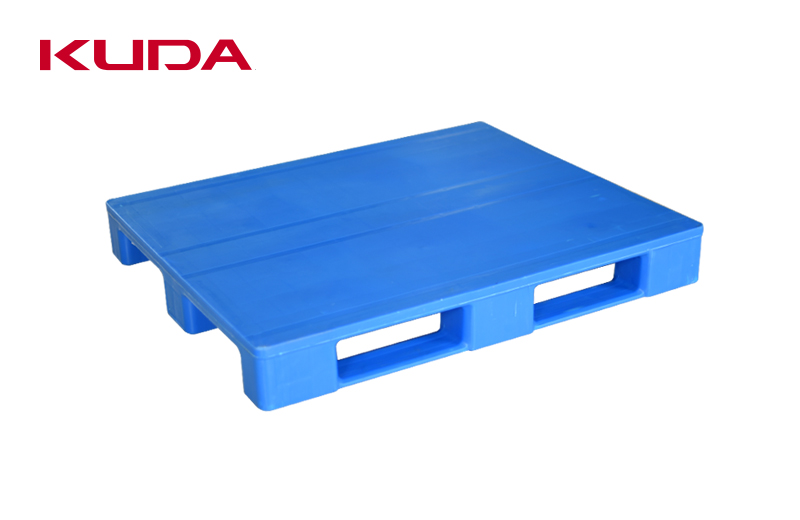
In the vast network of global logistics, plastic pallet boards may not be eye-catching, yet they play a crucial role. As the basic unit for cargo storage and transportation, they support every item from the factory to the consumer. Compared to traditional wooden pallets, plastic pallet boards stand out for their durability and lightweight, making them the preferred choice in modern supply chains. Their design cleverly integrates functionality and efficiency, withstanding heavy pressure while reducing the risk of damage during handling. In logistics centers, thousands of plastic pallet boards silently carry various types of cargo, ensuring their safe arrival at their destination, reflecting the profound impact of industrial design on daily life.
A new benchmark for environmental protection and sustainability
Another significant advantage of plastic pallet boards lies in their environmental friendliness. As the global call for sustainable development grows louder, recyclable plastics have emerged as a key to reducing resource waste. These pallet boards, typically crafted from high-density polyethylene (HDPE) or polypropylene (PP), boast a long lifespan and can be reused multiple times, significantly cutting down on wood consumption and pressure on deforestation. Furthermore, plastic material is easy to clean, preventing bacterial growth, making it particularly suitable for the food and pharmaceutical industries. By minimizing waste and energy consumption, plastic pallet boards set a green practice example for the logistics industry, propelling businesses towards a low-carbon future.
A paradigm of cost-effective and multifunctional applications
From an economic perspective, plastic pallet boards offer significant long-term savings. Although the initial cost may be higher than that of wooden pallets, their corrosion resistance, moisture resistance, and insect resistance greatly extend their service life and reduce the frequency of replacement. This durability translates into a lower total cost of ownership, attracting efficiency-focused businesses. At the same time, the standardized design of plastic pallet boards makes them suitable for forklifts, handcarts, and automated storage and retrieval systems, enhancing loading and unloading speed. In diverse scenarios such as retail, manufacturing, and agriculture, they demonstrate excellent adaptability and become an invisible tool for optimizing warehouse processes.
Innovation drives the transformation of future logistics
The development of plastic pallet boards is closely linked to technological innovation. The rise of smart warehousing has given birth to versions embedded with RFID chips, enabling digital tracking of goods and bringing revolutionary changes to supply chain management. In the future, with advancements in material science, lighter and stronger composite materials will further expand their application boundaries. From reducing carbon footprint to supporting IoT integration, plastic pallet boards are not only the cornerstone of logistics but also the pioneer in driving the industry towards intelligent and sustainable transformation. It indicates how logistics efficiency and environmental responsibility can coexist harmoniously, shaping a more efficient global trade network.


 2026-01-06