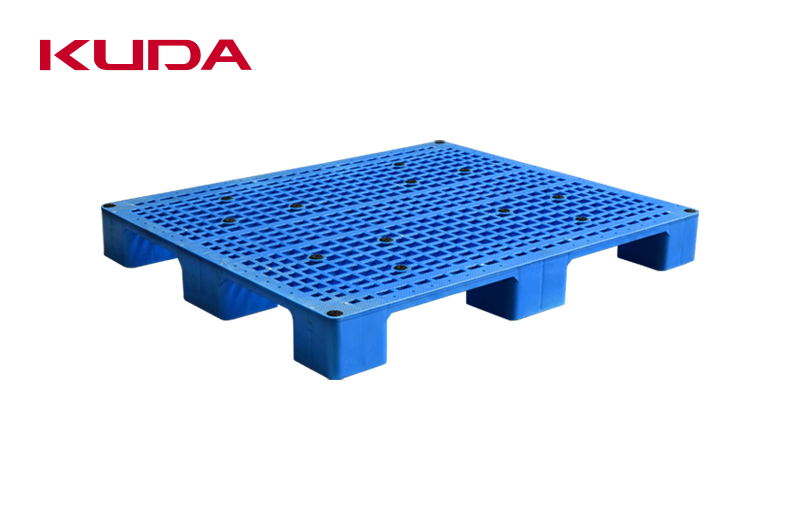
In the microcosm of logistics and warehousing, plastic pads are the cornerstone that supports efficiency and safety. These seemingly ordinary rectangular objects are usually made of high-density polyethylene (HDPE) or polypropylene (PP) and become the core components of palletized transportation due to their lightweight and corrosion-resistant properties. They not only carry the weight of the entire load, but also ensure the accuracy of forklift operations through standardized dimensions (such as 1.2m × 1m) and anti slip design.
In special environments such as cold chain and chemical industries, the anti moisture and anti rust advantages of plastic pads are particularly prominent, avoiding the problems of mold and insect infestation of traditional wooden pads. From car parts to food packaging, they silently support the operation of the global supply chain.
Cost effectiveness: The Long term Value Behind Economic Accounts
Although the procurement cost of plastic pads is higher than that of wooden pads, their lifecycle cost is lower. Taking a certain electronic manufacturing enterprise as an example, after adopting plastic pads, the average annual loss rate decreased from 15% to 3%, and maintenance costs were reduced by 70%. Through a circular sharing system, a single pad can be reused hundreds of times, diluting the cost of each use. More noteworthy are the implicit benefits: standardized design shortens loading time, anti slip surfaces reduce cargo damage rates, and these indirect benefits often bring unexpected surprises in annual audits. When enterprises calculate the total cost of ownership (TCO), the economic advantages of plastic pads become clear.
Green Transformation: The Practical Carrier of Environmental Protection Concept In the context of the dual carbon goal, plastic pads have become an important lever for reducing carbon emissions in the logistics industry. Recyclable materials enable them to be re pelletized after being scrapped, and a logistics park reduces wood consumption by 300 cubic meters annually through a pad recycling program. Modular design supports partial replacement and extends product lifespan. These characteristics are highly compatible with ESG (Environmental, Social, Governance) investment concepts, promoting the full chain greening of suppliers from production to recycling. When environmental protection turns from slogans to actions, plastic pads are carrying the weight of sustainable development in their physical form.
Innovation Empowerment: Interface Revolution in the Intelligent Era
The Internet of Things technology is reshaping the value dimension of pads. The intelligent pad with built-in RFID chip realizes the full process tracking of goods from warehousing to outbound. A fast-moving consumer goods company has increased inventory turnover efficiency by 40% through data collection. In the future, with the application of 5G and edge computing, plastic backing plates may become the key node of the digital twins of warehousing. From supporting goods to connecting data, this traditional logistics component is undergoing a silent intelligent transformation.


 2025-12-26