Innovation and transformation of container pallets
Source: kuda 2025-12-22
Container pallets, through modular design, integrate scattered goods into standardized transportation units, completely changing the traditional logistics loading and unloading mode. In container operations, pallets collaborate with forklifts and automated sorting systems to achieve rapid operation of "one pallet, one fork", greatly improving efficiency. For example, standard sized plastic pallets can perfectly fit the interior space of containers, optimize vertical utilization through multi-layer stacking, and reduce transportation costs. This standardization not only simplifies cross-border logistics processes, but also promotes seamless integration of multimodal transportation, eliminating the need for dismantling the entire process of goods from factories to ports and significantly shortening delivery cycles.
Material innovation and environmental transformation
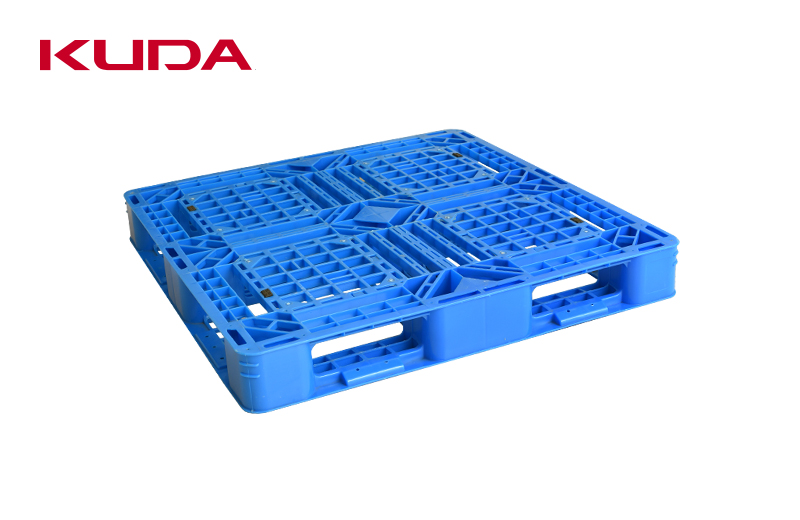
Traditional wooden pallets are gradually being replaced by plastic pallets due to their susceptibility to moisture and the need for fumigation treatment. High density polyethylene (HDPE) material endows plastic pallets with impact resistance and corrosion resistance, making them particularly suitable for industries such as food and medicine that require strict cleanliness. In the enclosed environment of containers, plastic pallets are not prone to mold growth and can be repeatedly cleaned and disinfected, meeting international quarantine standards. In addition, lightweight design reduces transportation load, while the nine legged structure enhances stacking stability by evenly distributing pressure. In terms of environmental protection, the rise of bio based plastic trays and shared tray pool models has reduced resource waste and promoted the logistics industry towards sustainable development.
The invisible link of global trade
In the global supply chain, pallets are the core medium for door-to-door transportation. From the factory production line to the overseas warehouse, it ensures the integrity of the goods during long-distance transportation, reducing the rate of cargo damage. For example, recycled plastic pallets are made from recycled materials, which not only reduces costs but also meets environmental requirements, making them the preferred choice for foreign trade enterprises. Inside the container, the pallets are tied to the goods to form a stable unit, preventing displacement during rough sea conditions and facilitating rapid sorting by automated equipment. This efficiency is particularly prominent in e-commerce logistics, with standardized pallets increasing cross-border order processing speed by over 30%, supporting the efficient operation of global trade.
Intelligence and Future Challenges
With the development of IoT technology, trays are incorporating intelligent elements. The embedding of RFID tags enables full visualization of cargo tracking, while the foldable design optimizes the space utilization of return air transportation. However, intelligence also brings new challenges, such as data security risks and initial investment costs. In the future, pallets need to find a balance between innovation and cost, while also addressing the increasingly strict environmental regulations. Despite facing challenges, pallets, as an invisible driving force for logistics innovation, will continue to support the development of global supply chains towards greater efficiency and sustainability.


 2025-12-22