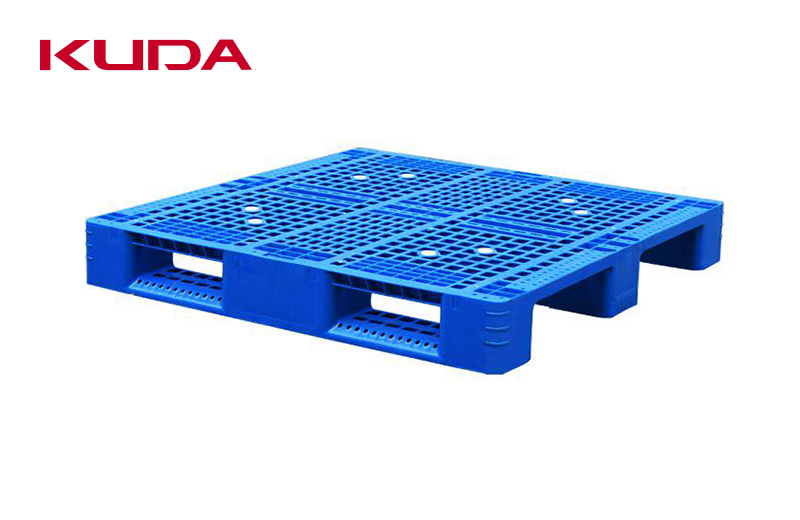
In the modern logistics system, although warehouse pads are inconspicuous, they are a key tool for improving operational efficiency. As the basic platform for carrying goods, the cushion plate achieves seamless connection between goods, forklifts, and shelves through standardized design, reducing the tedious manual handling. Especially in large warehouses, the application of padding significantly reduces the damage rate of goods and optimizes space utilization, becoming an indispensable part of the logistics chain. Its materials are diverse, ranging from wood to plastic to metal, adapting to different environmental needs and reflecting the ultimate pursuit of details in modern logistics.
Application scenario: The leap from traditional warehousing to intelligent logistics
The application scenarios of warehouse pads are extensive, covering various stages from traditional warehousing to intelligent logistics. In the food and pharmaceutical industries, plastic pads have become the preferred choice for ensuring the hygiene of goods due to their moisture-proof and easy to clean properties; In the field of heavy machinery, metal pads ensure transportation safety by virtue of their load-bearing capacity. With the development of intelligent warehousing, the pad has also integrated IoT technology, such as embedding RFID tags, to achieve automation of cargo tracking. This cross scenario adaptability has transformed the pad from a single tool to a catalyst for promoting industry upgrading.
Challenge and Innovation: The Dual Game of Environmental Protection and Efficiency
Despite the efficiency improvement brought by the pad, its production and use also face environmental challenges. Traditional wooden pads consume a large amount of wood, while plastic pads face recycling challenges. In recent years, the industry has attempted to balance efficiency and sustainability through innovative materials such as biodegradable composite materials. For example, some companies use recycled plastic to make pads, which not only reduces costs but also reduces ecological footprint. In addition, modular design allows the size of the pad to be adjusted according to demand, further improving resource utilization and demonstrating the logistics industry's exploration of a green future.
Future prospects: changes driven by intelligence and globalization
Looking ahead, warehouse pads will be deeply integrated into the trends of intelligence and globalization. With the popularization of autonomous forklifts and AI scheduling systems, the pad may integrate sensors to provide real-time feedback on the status of goods, achieving true "smart pallets". Meanwhile, in the context of global supply chain integration, standardized pad design will promote seamless integration of cross-border logistics and reduce trade barriers. The evolution of pads from edge tools to core components is not only a technological advancement, but also a microcosm of the logistics industry's move towards efficiency, environmental protection, and interconnectivity.


 2025-12-05